Basement insulation in Castle Rock CO - warm walls that can still dry out
Cold floors and a chilly basement all winter? We insulate the foundation walls so the room downstairs stays warmer and the walls stay dry.
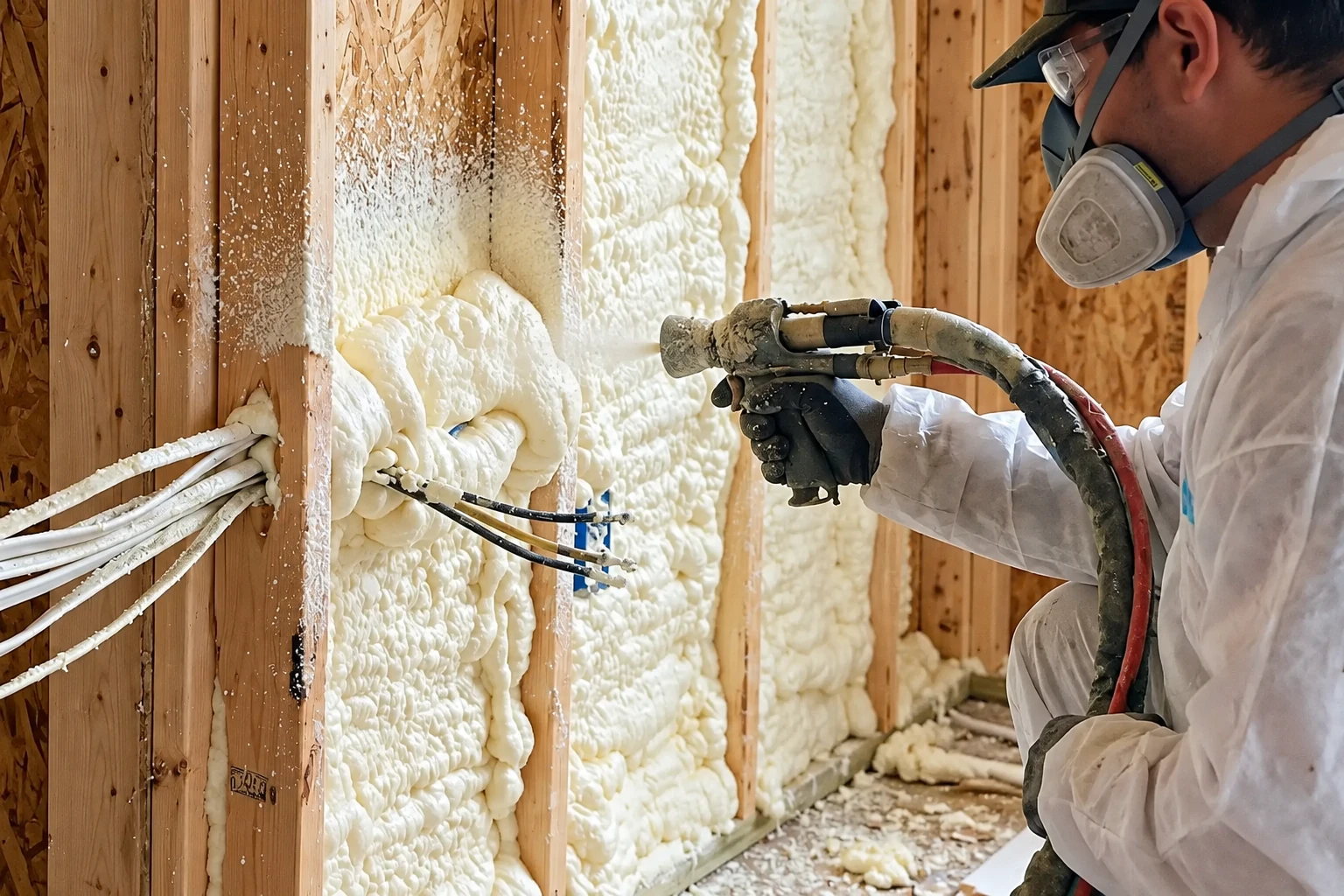
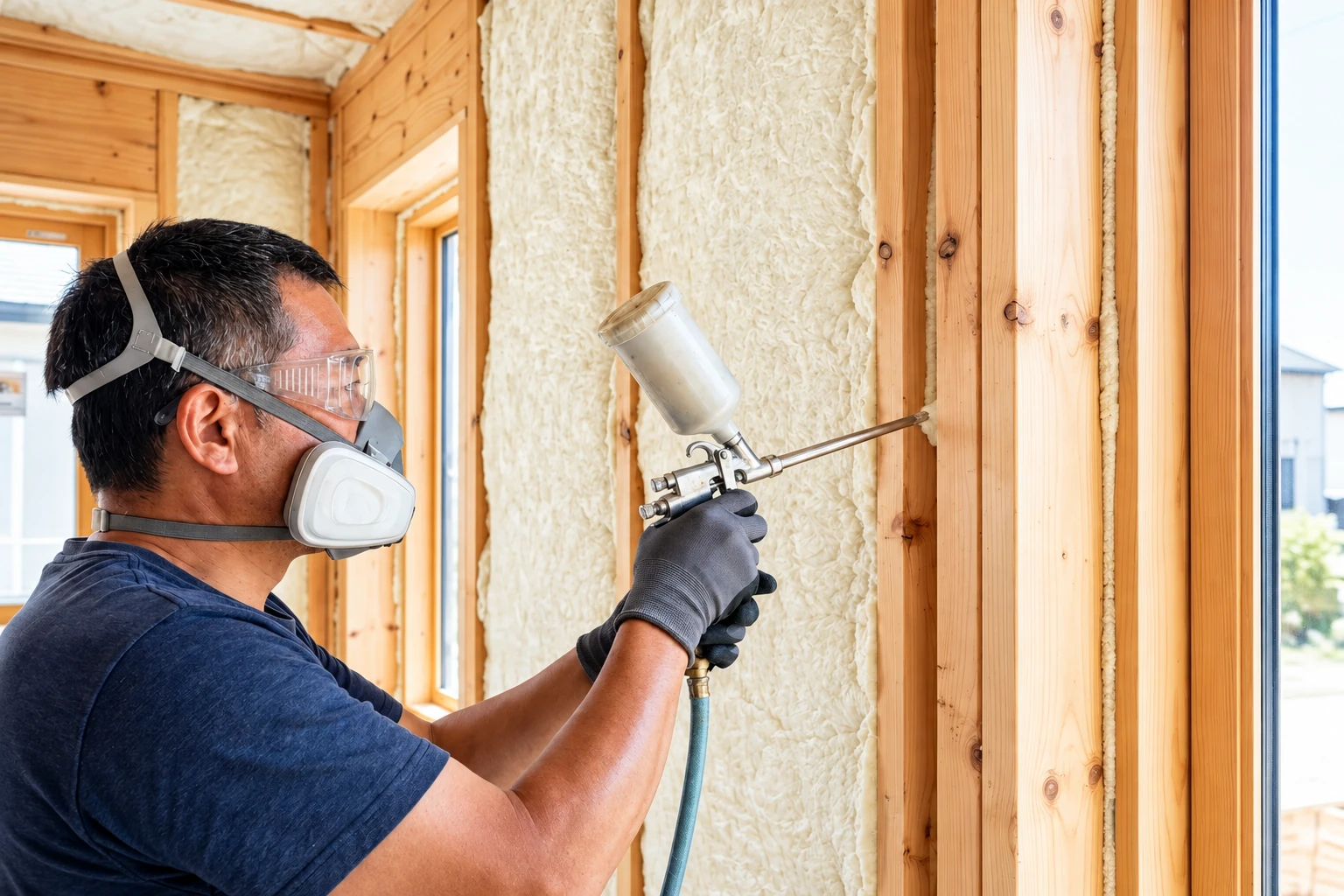
What goes into insulating a basement in Castle Rock?
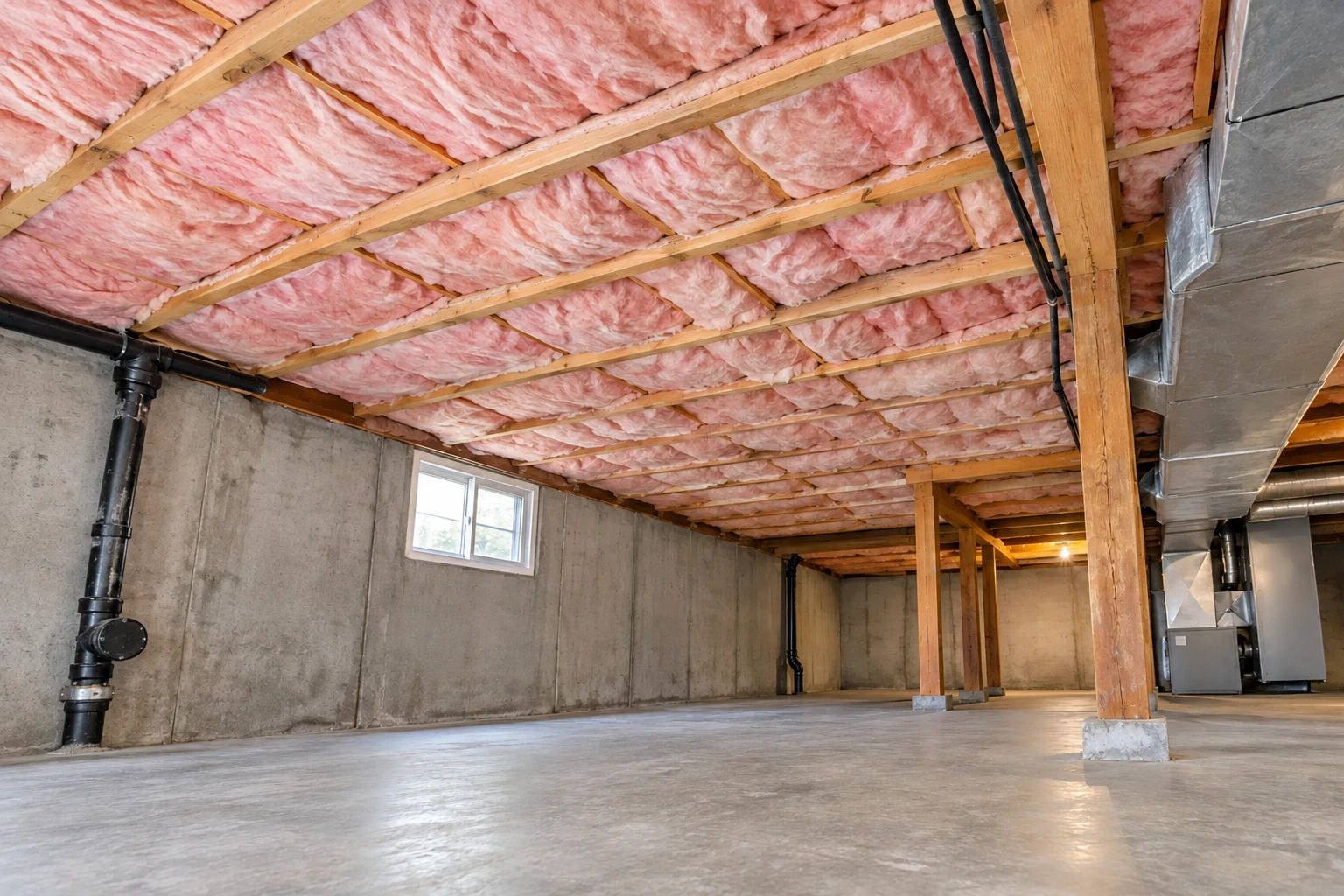
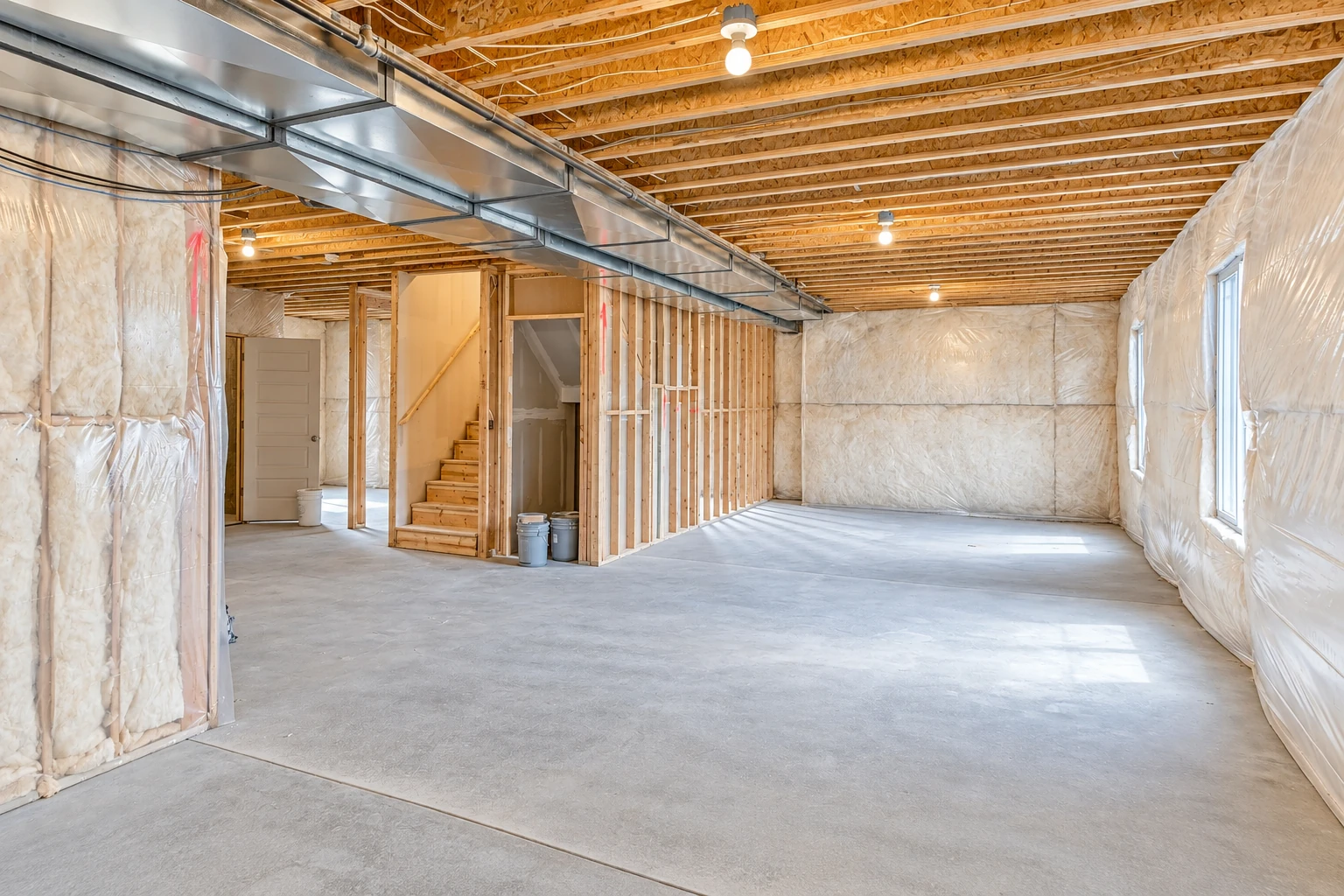
Basement insulation in Castle Rock goes on the outside walls of your basement, the concrete that touches the ground, so the room down there holds its heat and the floors above it stop feeling cold. Insulating the outside of a foundation works best, but digging out an existing home usually isn't practical, so on houses like yours the work happens from the inside.
Usually the call starts with a cold basement room, a chilly floor in the room above it or a basement you're about to finish and want done right the first time. The price moves most with whether your walls are bare concrete or already finished, whether we use foam or a framed wall with batts or blown-in fill, how much wall there is and whether any water or damage has to be fixed first. The schedule turns on that same question of water, because I won't cover a wall that's still taking on moisture, and on any permit and inspection the job needs. When I come out I'll look at your walls and write an estimate for your basement. If part of the house sits over a crawl space instead, that's crawl space insulation, a different job with its own approach.
How we handle basement insulation, start to finish
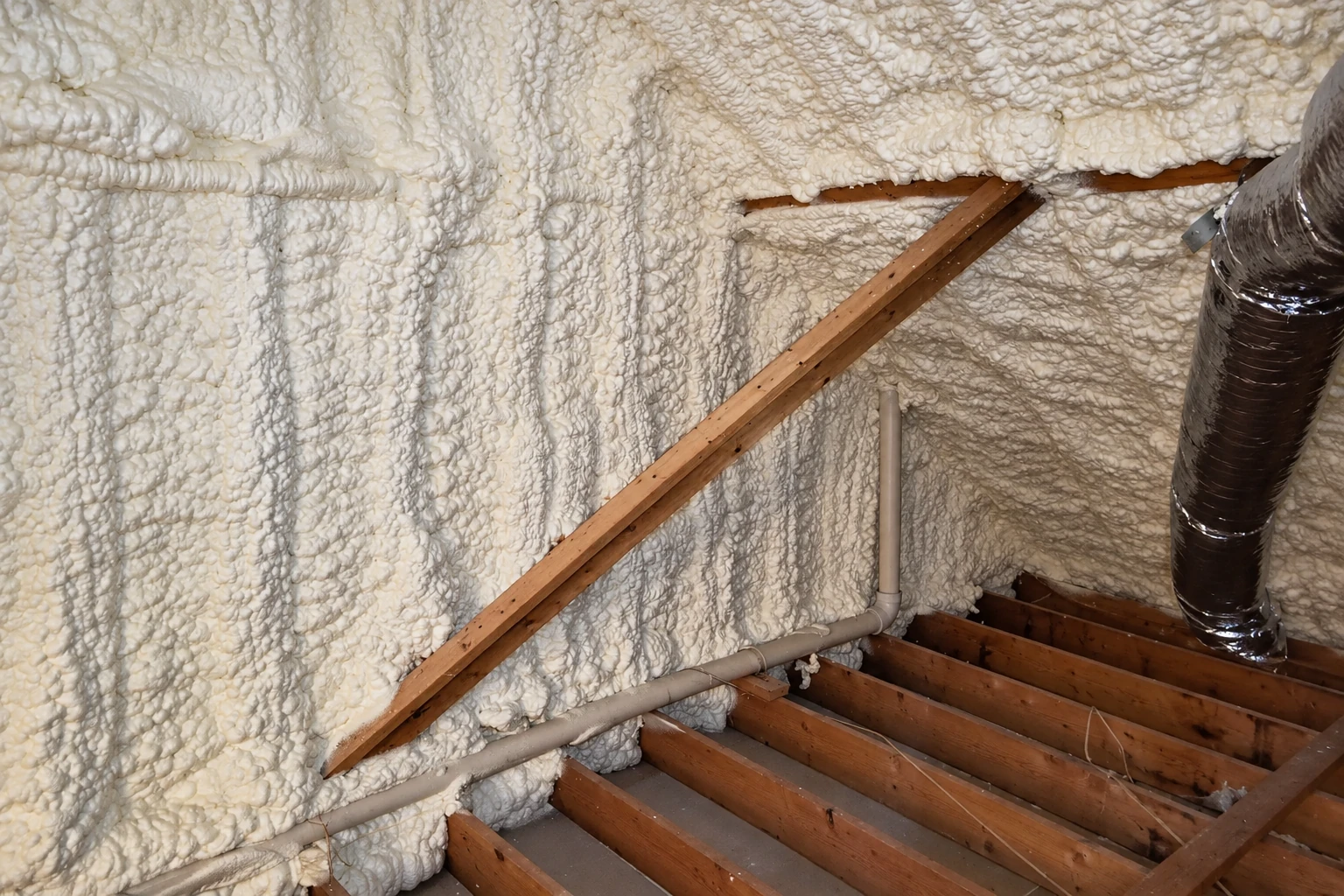
I start with a flashlight on the walls and along the floor edge, looking for water stains, damp concrete and pest damage, because insulation laid over a wet wall just hides the problem. Then we insulate the outside walls of the basement and build them so the foundation can still dry toward the room. On bare concrete that usually means spray foam or rigid foam boards fastened straight to the wall, or a framed wall filled with batts or blown-in insulation, which is loose fill blown through a hose, finished with drywall. When framing goes in front of foam, we keep the foam running unbroken behind the studs and leave out any plastic sheet on the room side, so moisture in the concrete has a way out. We also seal the rim joist, the wood band that sits on top of the foundation, as tight as we can, since that spot runs cold in summer and winter and leaks air into the room. If foam goes on bare walls, the covering it needs is in the estimate from the start.
On bare walls, foam is the trade-off I'd usually pick, because it costs more than a framed wall with batts but seals air while it insulates, and building science guidance names foam that lets the wall dry inward as the best choice for basements. Closed-cell foam insulation, the dense kind that holds back moisture, is usually the right fit against bare concrete. Open-cell foam insulation is softer and costs less, and it does better in walls and rooflines above ground than on a foundation, so I'll tell you plainly which one your basement calls for.
Why Castle Rock homeowners call us for basement insulation
The owner writes your estimate
I come out myself to look at your walls, the rim joist and any sign of water, I write the estimate, and our own installers do the work. You're talking with the person who actually saw your basement, and I'll explain what I'm seeing as many times as it takes.
Trained on commercial spray foam
I learned this trade spraying foam on warehouses, offices and metal buildings, and in 2017 I started this business to bring that same discipline to homes. That matters in a basement, where foam has to go on evenly, run unbroken behind any framing and get the covering it needs.
Licensed and insured for Castle Rock
We're licensed and insured. Castle Rock also requires contractors to register with the city and pay its fee before working on buildings its code covers, and that's a fair thing to ask any crew before they start.
On a basement, what matters most is the order, with water dealt with first, then the insulation, then its covering. We're based in Castle Rock and work across the cities around it, from Monument up through Parker, Highlands Ranch and Centennial. When you're ready, send us a few details or call (720) 408-0974, and mention whether the basement is bare or finished, any water you've seen come in, and whether a gas water heater or furnace that vents up a flue sits down there.
Get an on-site estimate for your basement walls
We reply within one business day to set a time that works for you. I come out, look at your basement and write the estimate myself, and it's free. There's no obligation, so you can take the estimate, think it over and call me with questions.
Basement wall insulation up close
Questions before you insulate your basement
Is it better to insulate basement walls or the basement ceiling?
Insulate the walls. Building science guidance says the insulation belongs on the basement's outside walls and not between the basement and the floor above, so the whole space, pipes and ducts included, ends up inside the warm part of the house. Insulating the ceiling instead usually just leaves you with a colder basement.
How much does basement insulation cost in Castle Rock?
You'll get the figure for your basement at the estimate, because the price swings most with things only a look will tell, like water that has to be fixed before anything goes up. Foam on bare walls costs more than a framed wall with batts, and drilling and blowing a finished wall usually saves the cost of tearing out drywall. Castle Rock also charges a building use tax on construction materials, with or without a permit, so that's part of the total.
Can you insulate a finished basement without tearing out the walls?
Usually, yes. We drill holes between the studs, blow insulation into the empty framing cavities, then plug and patch the holes, so the room stays finished. I check the wall first, because a cavity that already holds wet insulation needs opening up, not filling.
Does spray foam on basement walls need to be covered?
In most basements, yes. Building science guidance says foam on basement walls will usually need a fire or ignition barrier, a covering that keeps flame off the foam, so it can't be left bare. That's the covering I mentioned writing into the estimate up front.
How do I get my basement ready for insulation?
Clear the walls so we can see them, and tell us about any water you've noticed. A national checklist for this work calls for checking for water entry, moisture, pest damage, asbestos and lead paint before starting, and for a combustion safety test, which makes sure exhaust goes up the flue and not back into the room, when a natural-draft water heater or furnace sits in the basement. Douglas County also advises testing for radon, and Colorado residents can order a free radon test kit.
How do I find out if my basement insulation job needs a permit in Castle Rock?
Call the Town of Castle Rock's building counter at 720-733-3527, which answers questions about a project. The city reviews plans and inspects permitted work. Before we start, we check which city or county office covers your address, and when a permit is needed we apply for it and set up the inspections.
Related insulation services
- Closed-cell foam insulation
Worth a look if your foundation walls are bare concrete and you want insulation that also stands up to dampness.
- Open-cell foam insulation
A lighter, lower-cost foam that suits framed walls and rooflines above ground when the basement isn't the only cold spot.